Kaboom — community platform
A platform for sharing experiences and reviews and discussing specifications.
The interface of an online store combined with the functionality of a community — detailed catalog profiles, reviews and Q&A, without commerce.
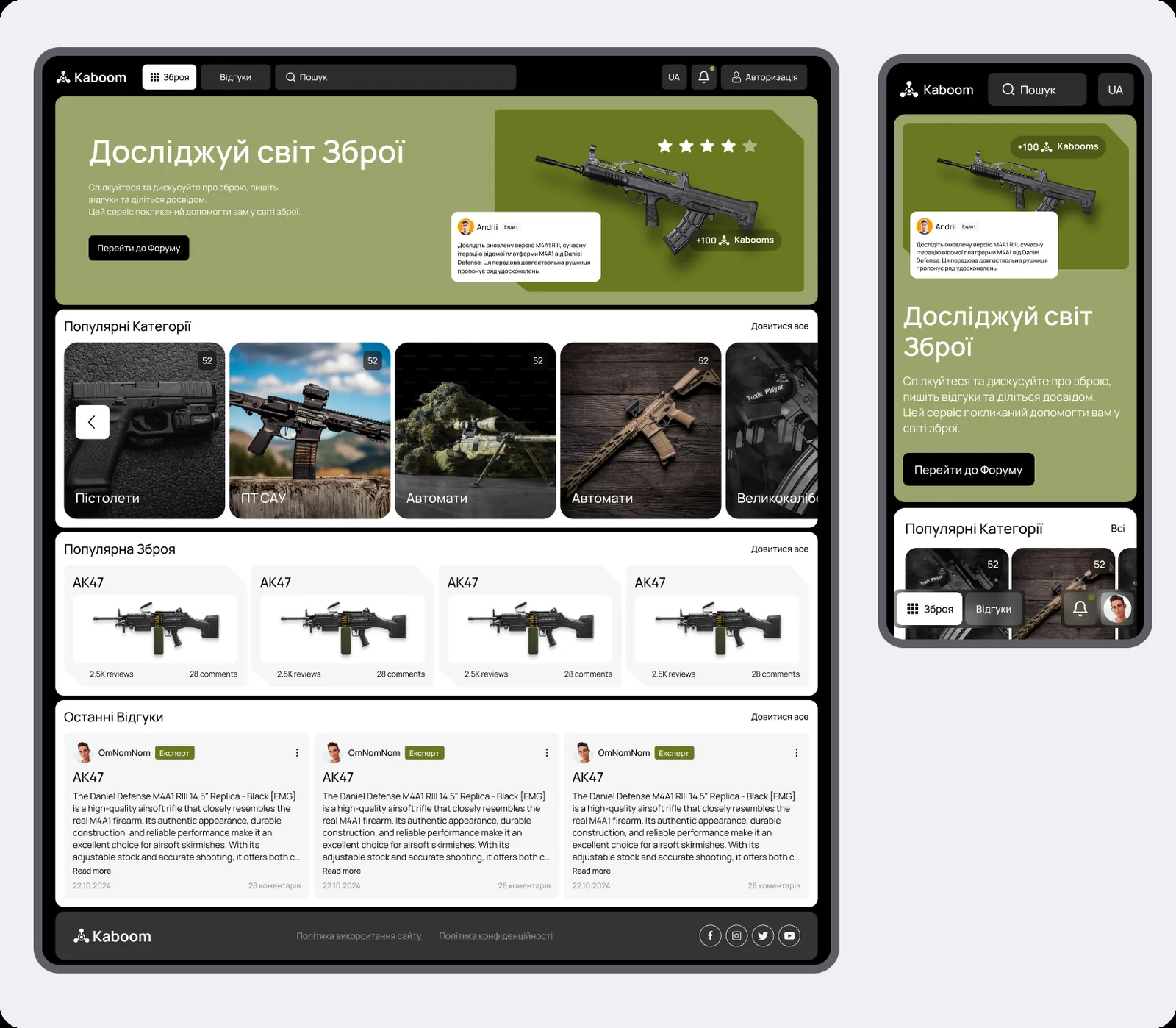
Store-grade catalog, community-grade discussion.
Kaboom lets users explore detailed profiles of items, read and leave reviews, ask questions and discuss specifications.
The idea was to merge the clarity of an e-commerce catalog with the life of a community — the same rich item pages, minus the checkout.
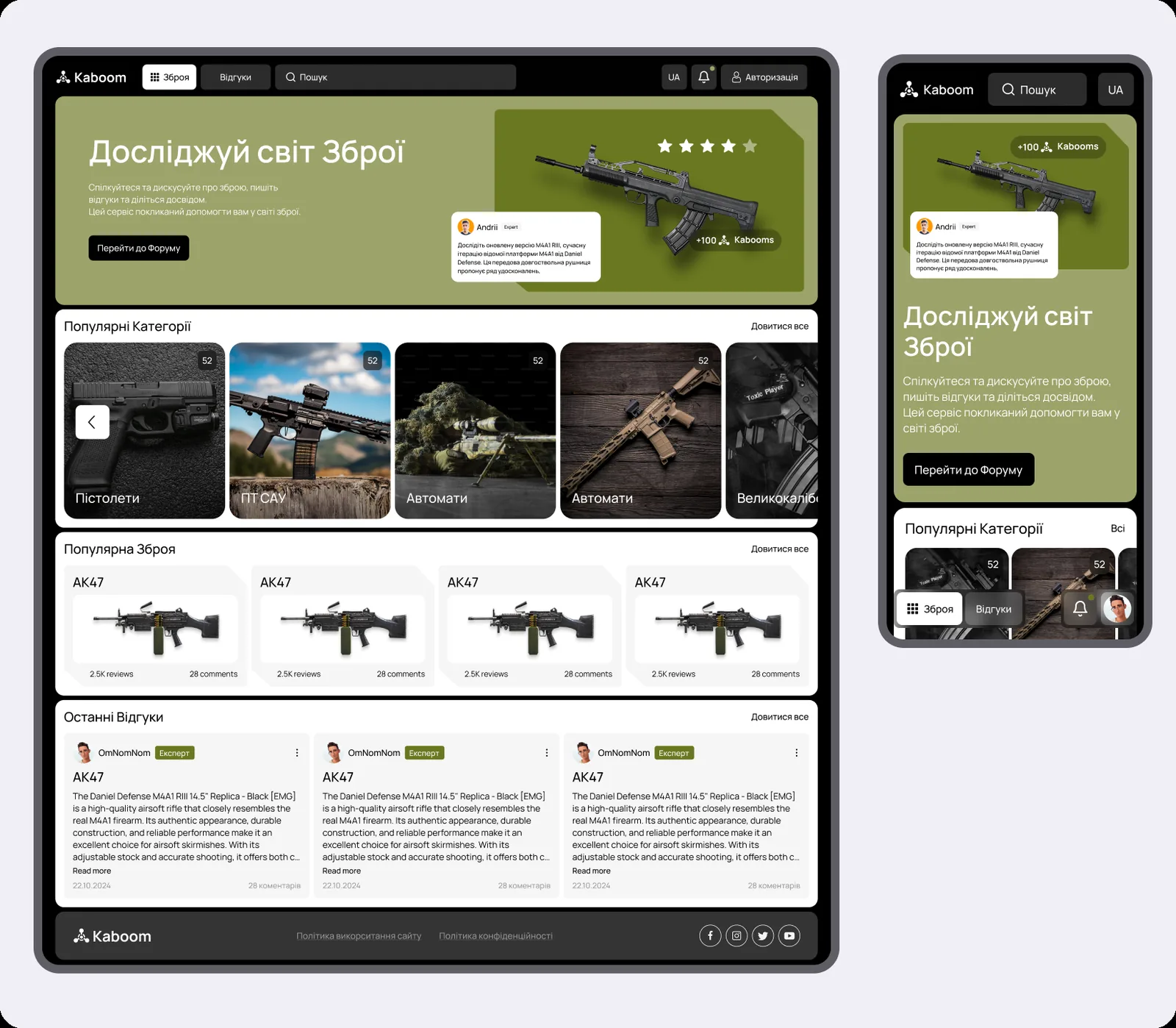
Make it feel like a shop, behave like a community.
Two mental models had to coexist without friction.
Catalog depth
Users expect store-like structure: categories, families and detailed item pages.
Community life
Reviews, Q&A and discussion needed to feel active and easy to contribute to.
Navigation & retention
The old interface had problems with navigation and keeping users engaged.
Scale & support
A flexible component system was needed to simplify support and future growth.
Research, structure, systematize.
UX research
Explored the existing interface and identified the navigation and retention problems to solve.
Cataloging model
Designed a clear hierarchy: categories → families → item pages with specifications and reviews.
UI-kit & components
Built a flexible component system to simplify support and scaling, plus engagement mechanics — reviews, profiles and notifications.
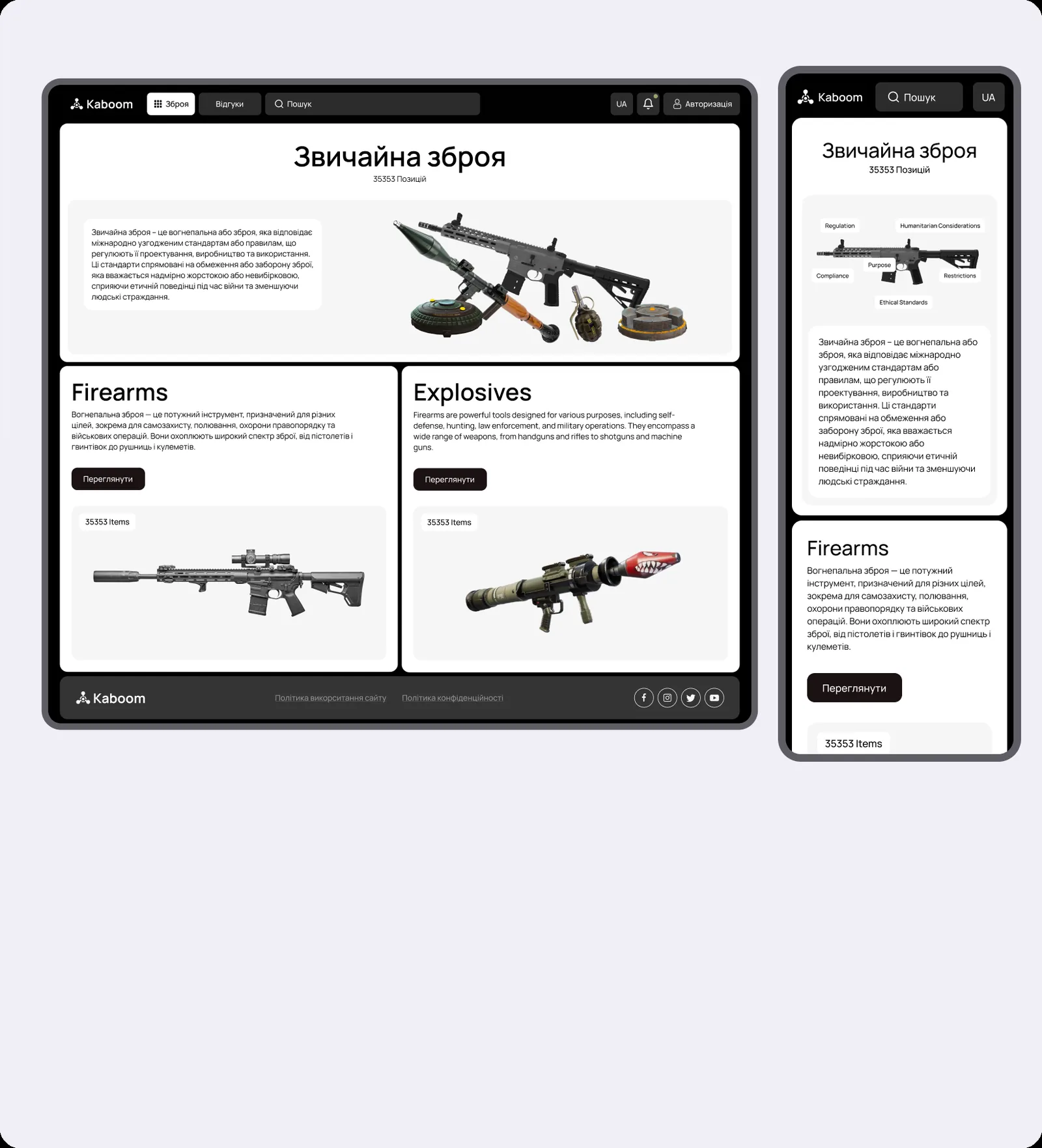
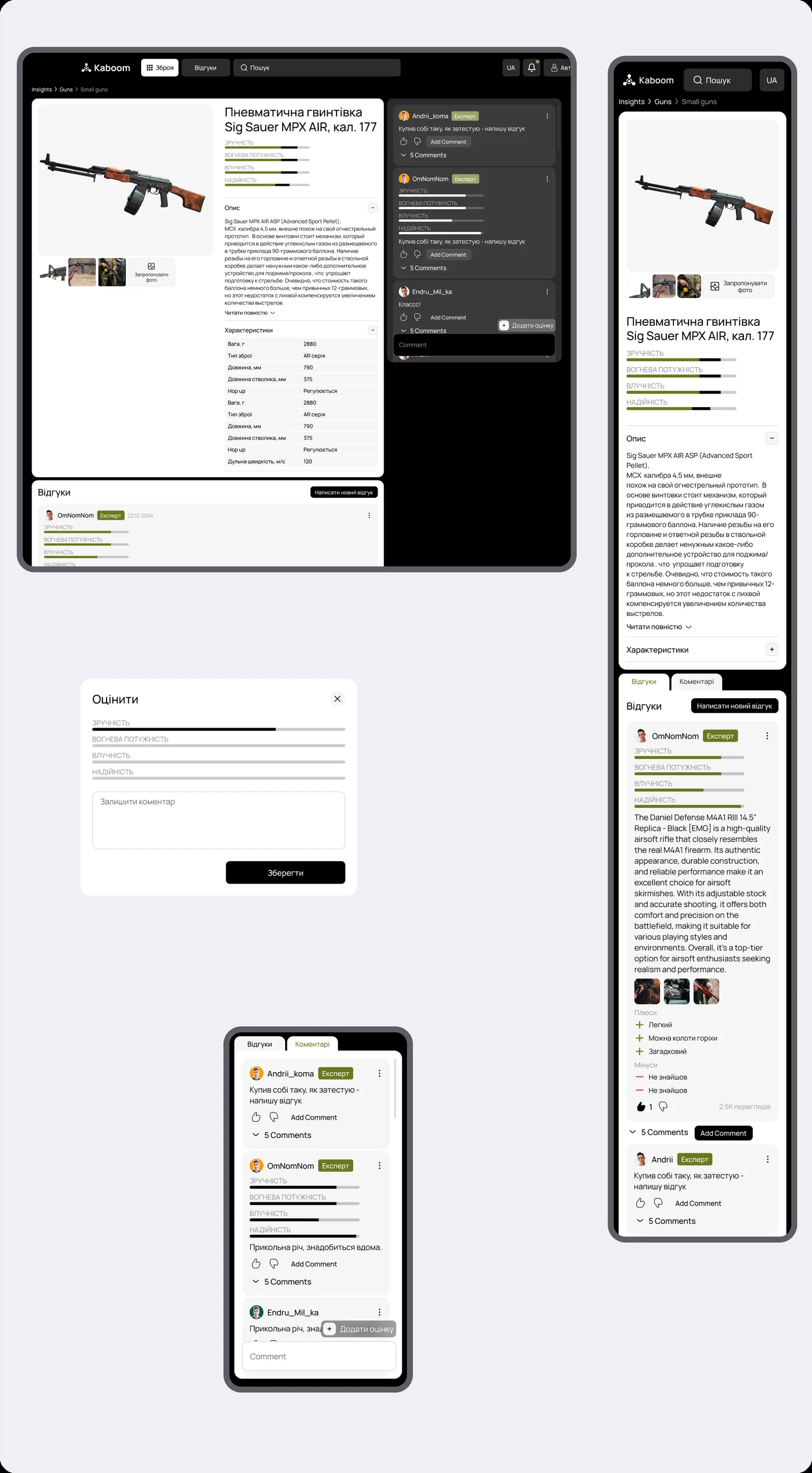
Where the product earns trust.
Detailed item profiles
Each item gets a store-quality page — specs, media and reviews — so users can evaluate confidently before joining a discussion.
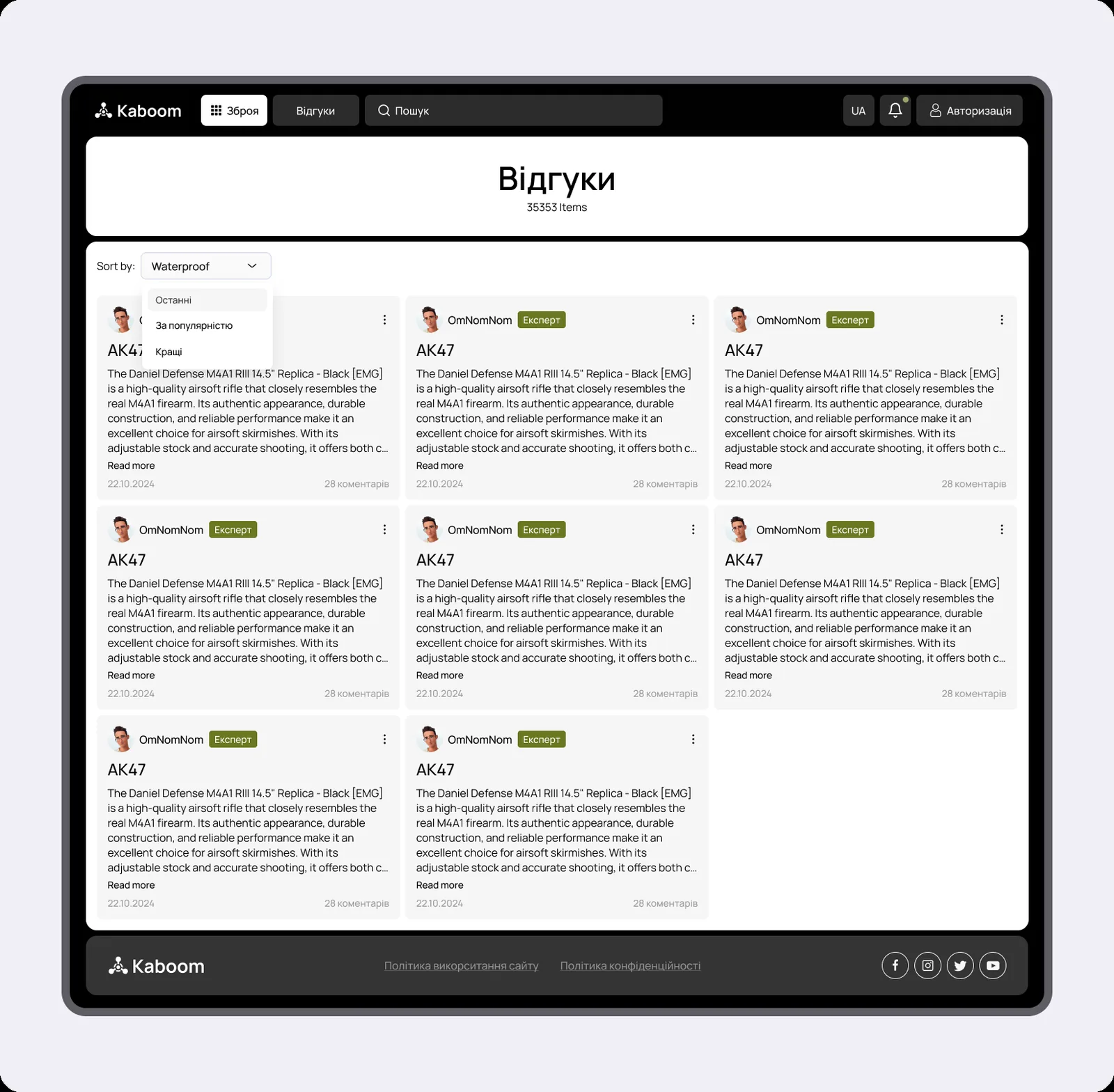
Community in the same space
Reviews, forum and profiles sit next to the catalog, so knowledge lives exactly where decisions happen.
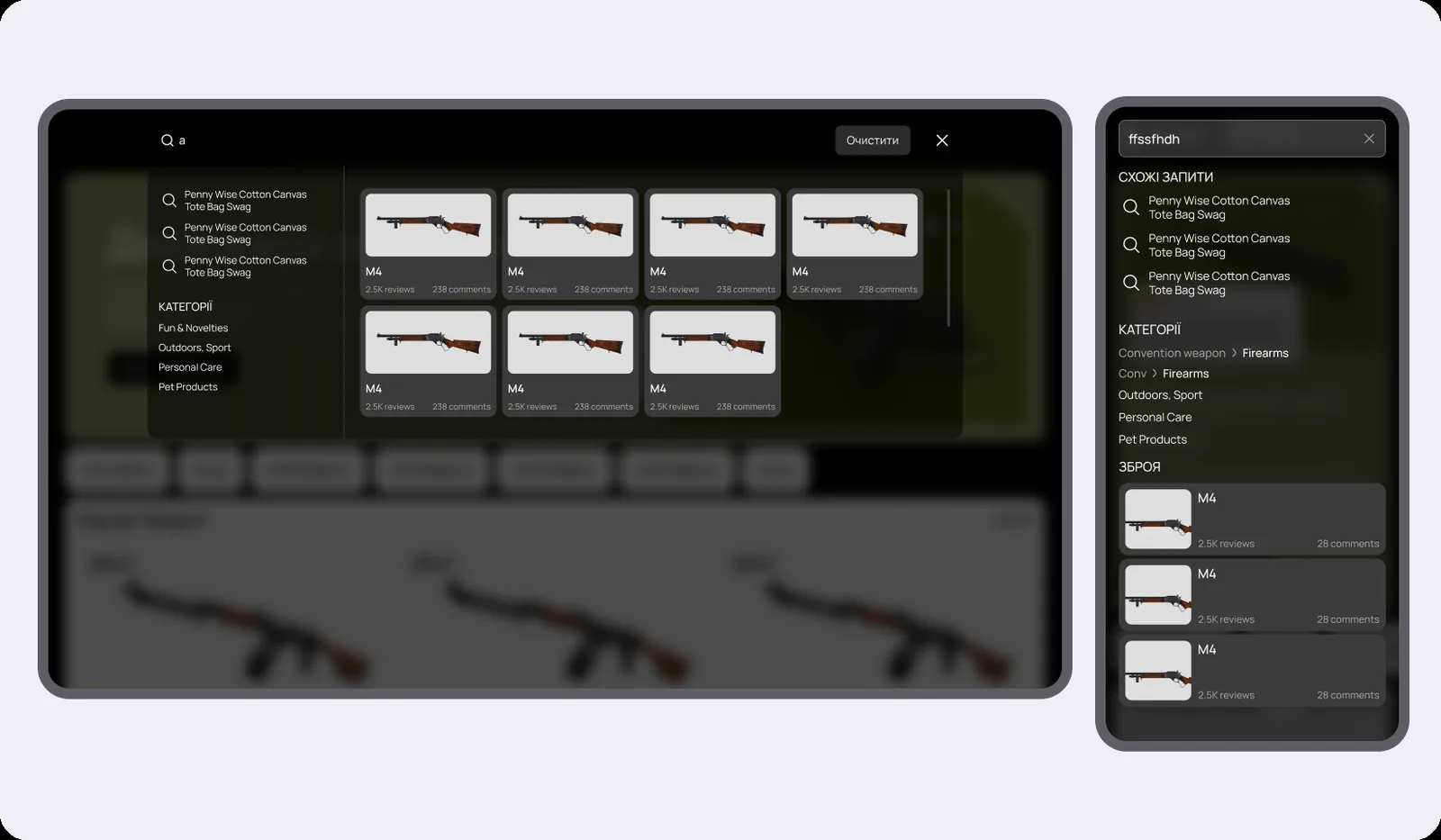
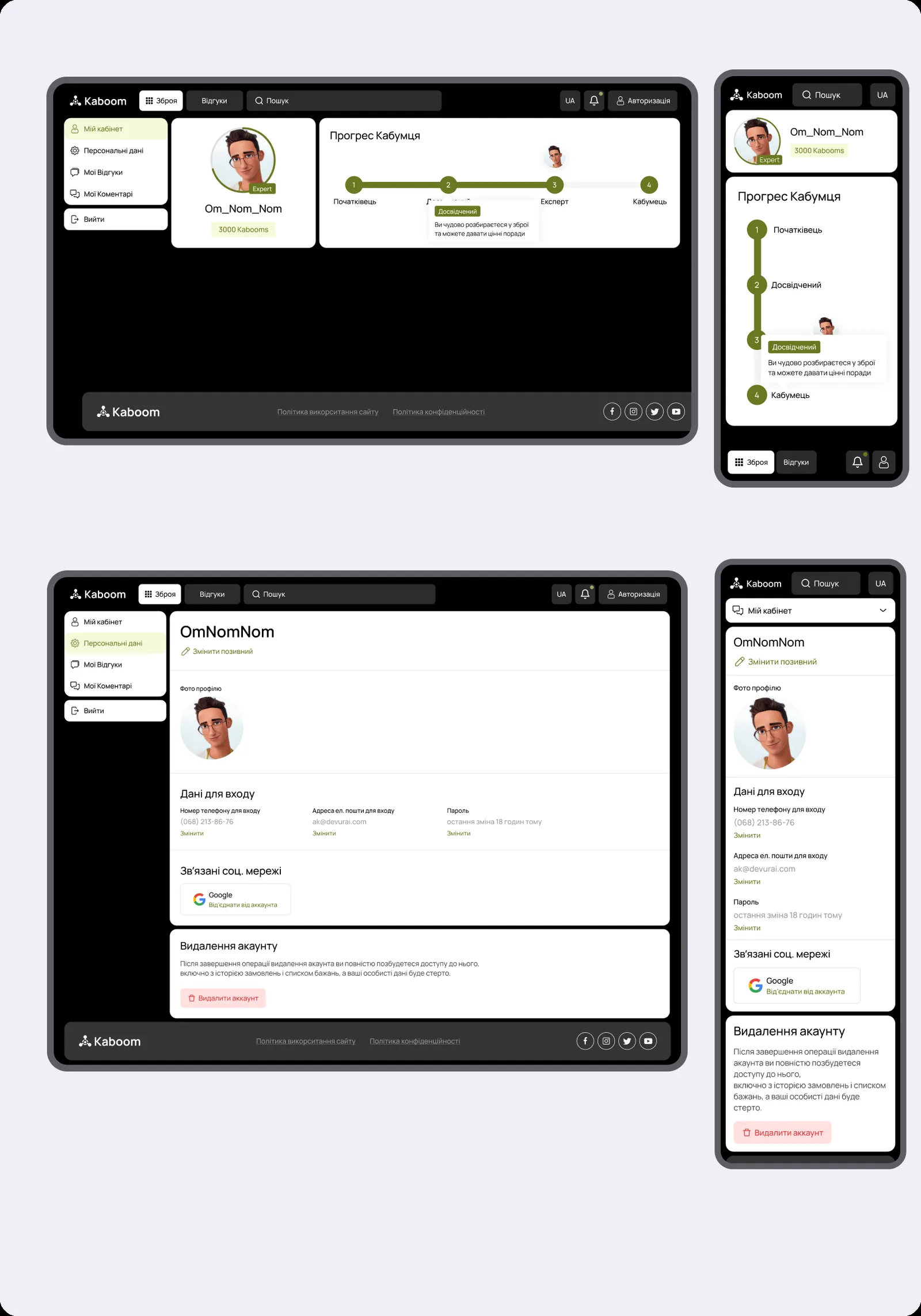
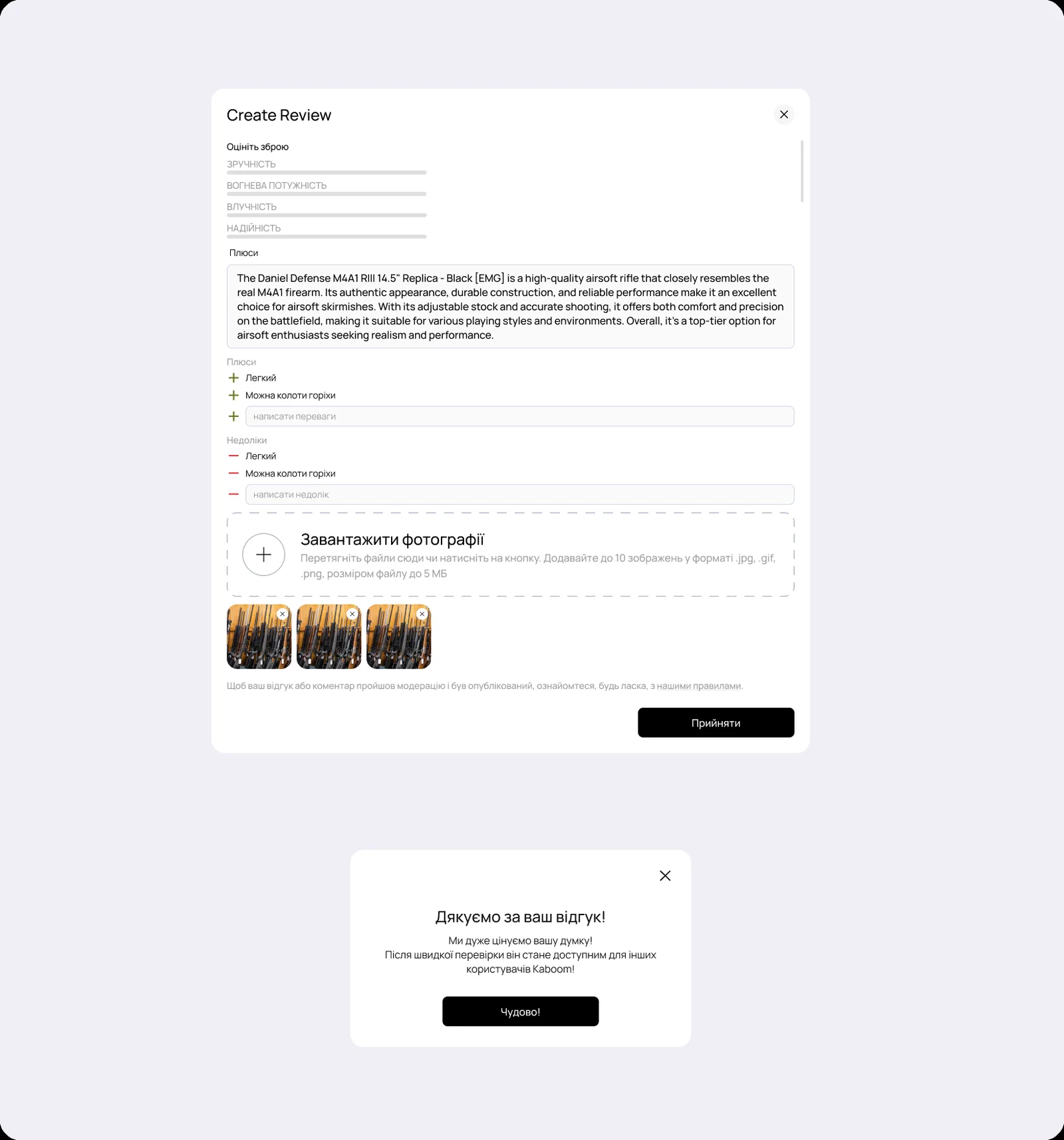
A system that scales
A flexible UI-kit plus engagement mechanics (notifications, gamification) keep support simple and the community active.
A stylish, modern interface that users found genuinely easy to use.
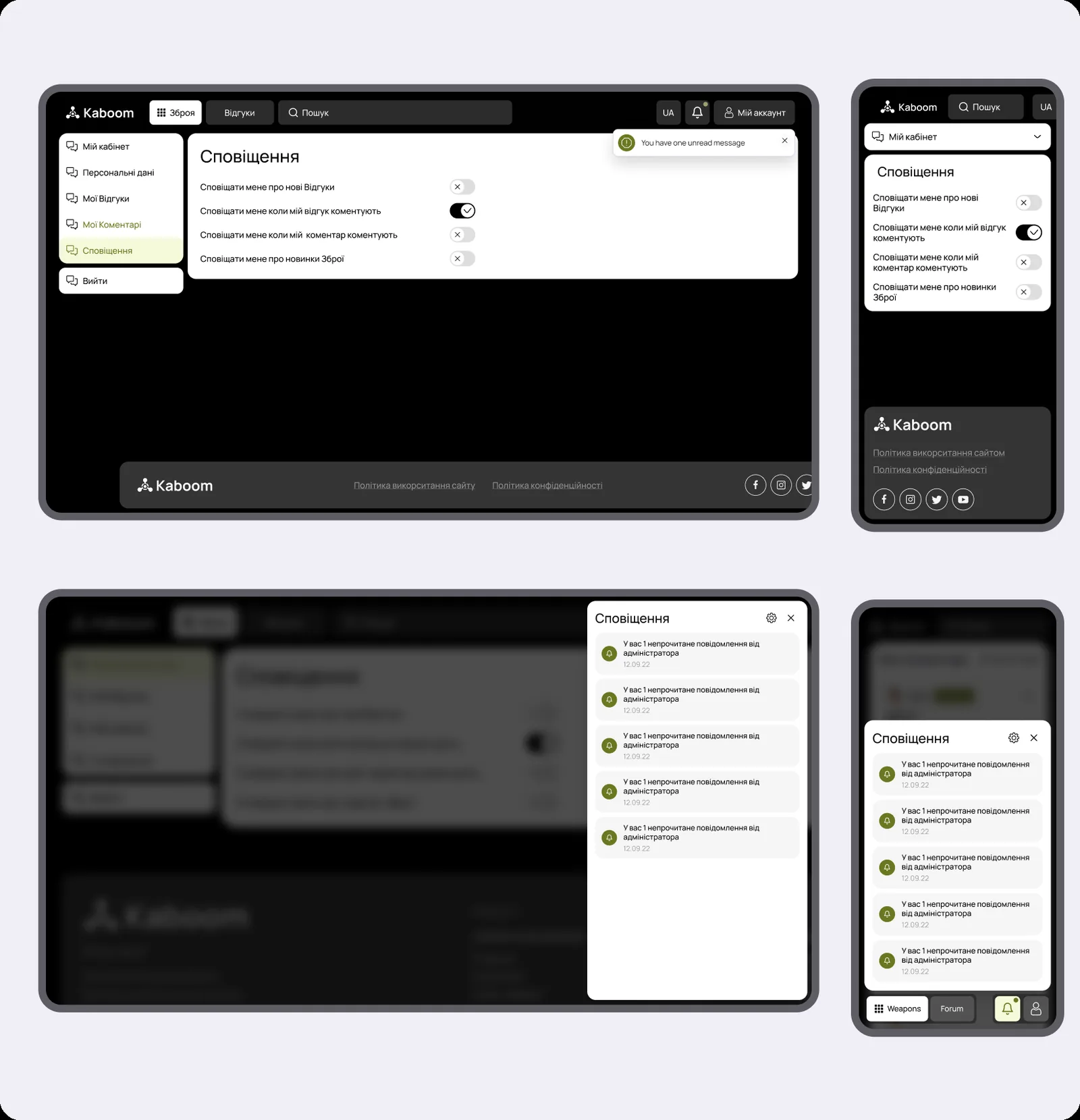
A catalog people actually talk in.
Combines convenient cataloging with active discussion.
Users quickly find information, share experiences and interact with other enthusiasts.
Positive feedback from potential users for ease of use and a stylish, modern interface.
A defensible identity beyond a plain directory.
Pairing store-grade structure with community mechanics gave the product a distinct position — and a reason for people to come back.